
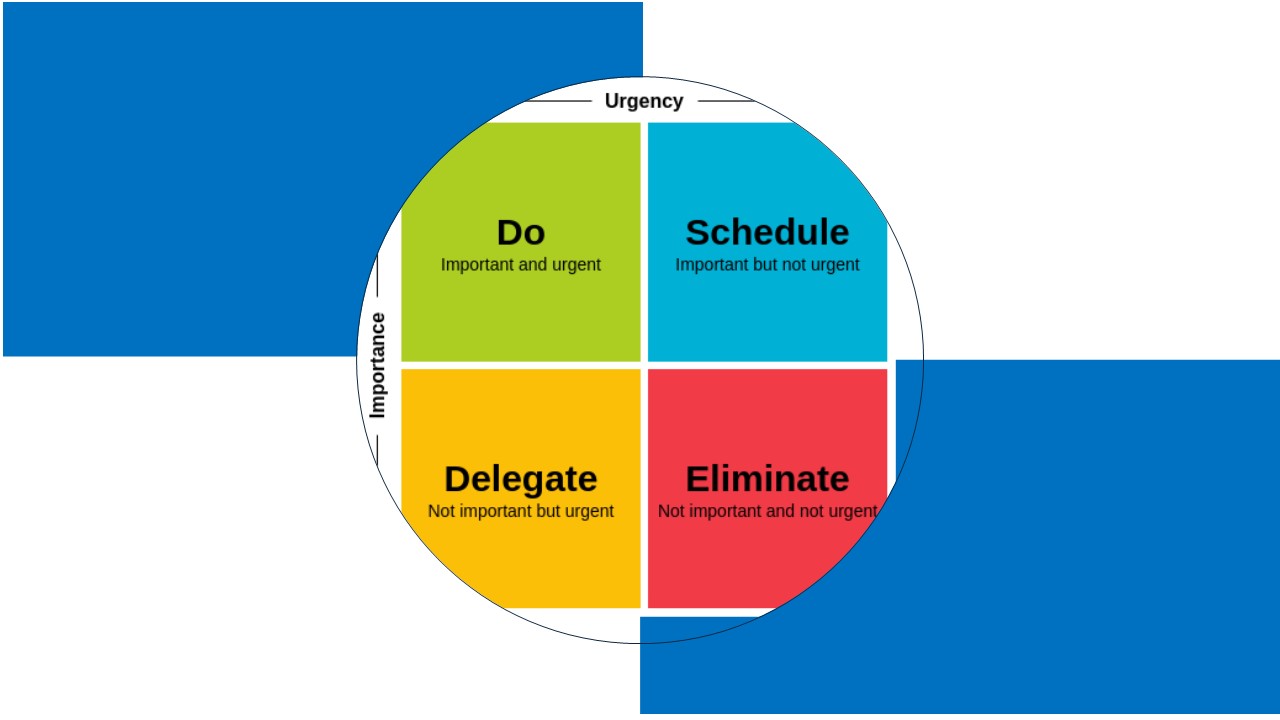
When it comes to managing your daily tasks, figuring out what to do first can feel overwhelming. The Eisenhower Box, also known as the Eisenhower Matrix, is a simple yet powerful tool to help you prioritize your tasks effectively. By categorizing your tasks into four distinct quadrants, you can enhance your productivity and focus on what truly matters.
The Eisenhower Box divides your tasks based on two dimensions: urgency and importance. Understanding these two factors can lead to smarter decision-making. Here’s how the quadrants work:
- Quadrant I: Urgent and Important – Tasks that need immediate attention. These are high-stakes tasks that, if not completed promptly, can lead to negative outcomes.
- Quadrant II: Not Urgent but Important – Tasks that are essential for long-term goals but don’t require immediate action. Spending time in this quadrant fosters growth and minimizes future urgency.
- Quadrant III: Urgent but Not Important – Tasks that require immediate action but are not crucial. These tasks often distract you from your main objectives.
- Quadrant IV: Not Urgent and Not Important – Tasks that add little value and can be eliminated or delegated. These are time-wasters that contribute nothing to productivity.
To start using the Eisenhower Box, you can create a simple grid:
| Urgent | Not Urgent |
|---|---|
| Important 1. Major project deadlines 2. Critical client calls 3. Health emergencies | Not Important 1. Team meetings that could be emails 2. Chasing low-priority tasks 3. Minor emails |
| Not Important | Not Important |
| Urgent 1. Annoying tasks that always pop up 2. Questions from colleagues on minor issues 3. Social media updates | Not Urgent 1. Browsing social media 2. Watching videos 3. Busy work that leads to burnout |
By visualizing your tasks within this grid, it is easier to see where to direct your energy. Here are some practical steps you can follow to maximize your productivity using the Eisenhower Box:
- List Your Tasks: Write down everything you need to accomplish. This could include work projects, personal commitments, errands, and more.
- Assess Urgency and Importance: For each task, ask yourself: Is this urgent? Is this important? Place each task in the appropriate quadrant of the Eisenhower Box.
- Choose Your Focus: Prioritize tasks from Quadrant I and make sure to schedule time for Quadrant II activities. These are key for long-term success.
- Delegate or Eliminate: Consider tasks in Quadrant III and IV. Delegate what you can and eliminate tasks that don’t contribute to your goals.
- Review and Adjust: At the end of each day or week, review your Eisenhower Box. Adjust as necessary based on changing priorities.
Using this method not only increases your efficiency but also gives you a clearer sense of direction. By focusing on what is truly important rather than what is merely urgent, you are likely to experience less stress and greater satisfaction in your daily activities.
The Eisenhower Box into your routine can lead to significant improvements in how you manage your time and tasks. It encourages active participation in your productivity process and helps you cultivate a more balanced and fulfilling approach to your responsibilities. Embrace this effective tool and watch your productivity soar!
The Benefits of Prioritizing Tasks: How the Eisenhower Matrix Works
In a fast-paced world, managing your tasks effectively is crucial to achieving your personal and professional goals. One powerful tool for prioritizing tasks is the Eisenhower Matrix. This method helps you determine which tasks need immediate attention and which can be scheduled for later. By understanding the principles behind this matrix, you can significantly boost your productivity.
The Eisenhower Matrix divides tasks into four distinct categories based on their urgency and importance, allowing you to make informed decisions about how to spend your time. Here’s a breakdown of the four quadrants:
| Quadrant | Description | Actions |
|---|---|---|
| 1: Urgent and Important | Tasks that require immediate attention and have significant impacts. | Do these tasks first. |
| 2: Important but Not Urgent | Tasks that matter but do not need immediate action. | Schedule these tasks. |
| 3: Urgent but Not Important | Tasks that need quick attention but do not have significant value. | Delegate these tasks. |
| 4: Not Urgent and Not Important | Tasks that neither require urgent attention nor contribute major value. | Eliminate these tasks. |
Understanding how each quadrant functions can lead you to tailor your workflow. Start by assessing your tasks and placing them accordingly in the matrix.
Prioritizing tasks using the Eisenhower Matrix offers numerous benefits. Here are some key advantages:
- Clarity and Focus: By categorizing tasks, you gain clarity on what truly needs your attention. This focus prevents overwhelm, allowing you to channel your energy into the most pressing tasks.
- Better Time Management: Knowing which tasks are important versus those that are merely urgent helps you allocate your time wisely. Instead of chasing down last-minute tasks, you can spend time addressing what genuinely impacts your goals.
- Enhanced Productivity: With a clear roadmap of tasks, you can tackle work with efficiency. Completing high-priority tasks boosts your confidence and gives you a sense of accomplishment.
- Stress Reduction: A structured approach to prioritizing tasks reduces anxiety. When you know what to expect each day, you feel less stress and can work more comfortably.
- Improved Decision-Making: The matrix aids you in evaluating the significance of your tasks. This evaluation leads to better decision-making, ensuring you invest your time in areas most beneficial to you.
Using the Eisenhower Matrix is straightforward, yet highly effective. To begin, list all the tasks you need to accomplish. Then, evaluate each task to determine where it falls within the four quadrants.
As you engage with the matrix, consider the following tips to make the most of this productivity tool:
- Regular Reviews: Set aside time weekly or monthly to review your task list. Adjust tasks in the matrix as priorities shift.
- Be Realistic: Make sure to assess your schedule realistically. Some tasks may not fit perfectly into the matrix, and that’s okay.
- Limit Your List: Avoid overwhelming yourself with too many tasks. Select a manageable number of high-priority items to focus on daily.
- Utilize Technology: Consider using digital tools and apps that allow you to create and maintain your Eisenhower Matrix effortlessly. They can help remind you of deadlines and important tasks.
The Eisenhower Matrix into your daily routine can transform how you approach tasks. By helping you distinguish between what is urgent and important, you are set to make the most out of your time and energy. Start prioritizing today, and watch your productivity soar!
Real-Life Applications: Implementing the Eisenhower Box in Your Routine
In today’s fast-paced world, managing your time effectively is essential. One compelling tool for boosting productivity is the Eisenhower Box. This framework helps you prioritize tasks based on urgency and importance, making it easier to decide what to tackle first. Implementing this approach in your daily routine can streamline your efforts and maximize your output.
The Eisenhower Box divides tasks into four quadrants. Each quadrant helps you visualize and categorize your duties:
- Quadrant I: Urgent and Important – Tasks that require immediate attention.
- Quadrant II: Not Urgent but Important – Tasks that are essential for long-term success but can be scheduled later.
- Quadrant III: Urgent but Not Important – Tasks that can be delegated or minimized, as they don’t significantly contribute to your goals.
- Quadrant IV: Not Urgent and Not Important – Tasks that are mere distractions and should be eliminated.
To implement the Eisenhower Box in your routine, start by listing all your tasks. Here’s a step-by-step guide:
- Identify Your Tasks: Write down everything that’s on your mind. This can range from daily chores to big projects at work.
- Classify Each Task: Go through your list and categorize each task into one of the four quadrants of the Eisenhower Box.
- Plan Your Day: Focus primarily on Quadrant I tasks, and identify which Quadrant II tasks can be scheduled for later. Make sure you have a plan to delegate or reduce Quadrant III tasks.
- Monitor Your Progress: Check off completed tasks and adjust your list as necessary. This will help you recognize patterns in your productivity.
Let’s explore how to effectively manage each of the quadrants:
| Quadrant | Action | Tips |
|---|---|---|
| Quadrant I | Do it now | Set specific timeframes to complete. Aim for shorter, focused bursts of work. |
| Quadrant II | Schedule it | Block time in your calendar specifically for these tasks to ensure they are completed. |
| Quadrant III | Delegate it | Identify who else can help and ask for assistance to lighten your load. |
| Quadrant IV | Eliminate it | Identify time wasters. Set limits to avoid distractions, such as social media or excessive emails. |
Practical application of the Eisenhower Box means regularly revisiting your list. Consider conducting a daily or weekly review. Reflect on any new tasks that may need categorization and adjust your strategy accordingly. This practice not only enhances your productivity but also empowers you to remain focused on what truly matters.
This system into your life can be transformative. If you find yourself overwhelmed by endless to-do lists, think about using the Eisenhower Box. Remember, the ultimate goal isn’t merely to do more but to do the right things efficiently. By aligning your daily actions with your long-term objectives, you can achieve greater satisfaction and success in both your personal and professional life.
As you begin to utilize the Eisenhower Box, you may want to document your feelings and results. Keeping a productivity journal can offer insights into which tasks yield the most satisfaction and results. This practice can guide you in improving your approach continuously.
Don’t be afraid to modify the Eisenhower Box to fit your needs. Everyone has different work styles and priorities. Feel free to adapt its principles based on your own routine. Finding the perfect balance might take time, but the effort will yield significant results in empowering you to manage your tasks effectively.
Overcoming Procrastination with the Eisenhower Method
Procrastination is something we all face. It can be tempting to put off tasks until the last minute, but learning how to manage your time effectively is crucial. The Eisenhower Method, developed by President Dwight D. Eisenhower, can be your secret weapon against procrastination. This method helps you prioritize tasks based on their urgency and importance, allowing you to tackle what truly matters. By utilizing this tool, you can turn procrastination into productivity.
The Eisenhower Method divides tasks into four categories:
- Urgent and Important: Tasks that require immediate attention. These should be your top priority and tackled right away.
- Important but Not Urgent: Tasks that are significant but don’t need to be done immediately. Plan these in your calendar.
- Urgent but Not Important: Tasks that are pressing but not necessarily essential. Delegate if possible, or limit the time spent on them.
- Not Urgent and Not Important: Tasks that are neither time-sensitive nor crucial. Eliminate or minimize these activities.
To implement the Eisenhower Method, start by making a list of all the tasks you need to complete. Then, categorize each task according to the four categories mentioned above. This clarity will allow you to see where your focus should be and help you tackle procrastination head-on.
Here’s a step-by-step guide on how to use this method effectively:
- List Your Tasks: Write down everything you need to do. Don’t hold back; include both big projects and small errands.
- Prioritize Using the Eisenhower Box: Draw a box divided into four quadrants. Label each quadrant according to the four categories. Place your tasks in the appropriate quadrant.
- Take Action: Start with tasks in the “Urgent and Important” quadrant. Once these are completed, move on to “Important but Not Urgent” tasks.
- Delegate: If you have tasks in the “Urgent but Not Important” quadrant, consider sending them to someone else who can handle them.
- Eliminate: For tasks that fall into the “Not Urgent and Not Important” quadrant, ask yourself if they need to exist at all. If not, don’t waste your time.
Using this method not only helps you manage your time, but it also clarifies which tasks really matter, reducing feelings of overwhelm that often lead to procrastination. It encourages a proactive approach, guiding you to work on what truly contributes to your goals.
Let’s look at an example to visualize how this works:
| Task | Urgency | Importance | Quadrant |
|---|---|---|---|
| Finish project report | High | High | Urgent and Important |
| Schedule team meeting | Low | High | Important but Not Urgent |
| Respond to non-urgent emails | High | Low | Urgent but Not Important |
| Watch TV series | Low | Low | Not Urgent and Not Important |
In this example, the project report is the priority. By systematically focusing on urgent and important tasks, you start to see progress, which can motivate you further. Notice how by tackling a few key projects, you can move tasks that seemed overwhelming to manageable bits.
Ensure you review your categorized tasks regularly. New tasks will come up, and priorities may shift. Regularly evaluating your Eisenhower Box will keep distractions at bay and ensure you stay ahead of your deadlines while eliminating procrastination.
The Eisenhower Method is a powerful tool that can help anyone facing procrastination. By structuring your tasks according to urgency and importance, you not only become more organized but can also cultivate a work ethic that prioritizes what truly matters in your life.
Enhancing Time Management Skills through Effective Task Organization
Effective time management is crucial for anyone looking to enhance productivity and achieve their goals. Understanding how to organize tasks efficiently can transform your daily routine and significantly reduce stress. One of the most effective methods to achieve this is by using task organization techniques.
At the core of effective task organization lies a simple yet powerful tool known as the Eisenhower Box. This strategy, developed by former U.S. President Dwight D. Eisenhower, categorizes tasks based on their urgency and importance, helping you prioritize what truly matters.
Understanding the Eisenhower Box
The Eisenhower Box divides tasks into four distinct categories:
- Urgent and Important: Tasks that must be done immediately.
- Important but Not Urgent: Tasks that are essential but can be scheduled for later.
- Urgent but Not Important: Tasks that demand immediate attention but can be delegated.
- Neither Urgent Nor Important: Tasks that can be eliminated or postponed.
By organizing your to-do list using this framework, you can clarify your priorities and focus your energy on tasks that align with your goals.
Steps to Implement the Eisenhower Box
To effectively use the Eisenhower Box, follow these simple steps:
- List Your Tasks: Write down everything you need to accomplish.
- Categorize Each Task: Use the four categories to decide where each task falls.
- Prioritize: Focus first on tasks that are urgent and important.
- Delegate: For tasks that are urgent but not important, find someone who can take them on.
- Schedule: Set aside time for tasks that are important but not urgent.
- Eliminate: Remove any tasks that fall under “neither urgent nor important.”
Benefits of Task Organization
By effectively organizing tasks, you can enjoy several benefits:
- Increased Focus: When you know what to prioritize, distractions lessen, allowing you to concentrate better.
- Reduced Stress: Managing tasks more effectively can lead to less overwhelm, making it easier to meet deadlines.
- More Time for Important Goals: By eliminating unnecessary tasks, you can spend more time on projects that contribute to your long-term objectives.
- Improved Decision Making: Task organization helps you make informed choices about where to invest your time and efforts.
Creating Your Own Eisenhower Box
Building your own Eisenhower Box can be achieved in various formats. You can draw it on paper, use a digital tool, or even make a simple table to visualize the categories more clearly.
| Category | Description | Actions |
|---|---|---|
| Urgent and Important | Tasks that need immediate attention. | Do these tasks now! |
| Important but Not Urgent | Tasks that are significant but can wait. | Schedule these tasks. |
| Urgent but Not Important | Tasks that require quick action but don’t contribute much. | Delegate if possible. |
| Neither Urgent Nor Important | Tasks that have little to no value. | Eliminate these tasks. |
Tips for Maintaining Your Time Management Skills
To further enhance your productivity through effective task organization, consider these practical tips:
- Review Regularly: Spend some time each week to review and adjust your tasks and priorities.
- Set Realistic Goals: Be sure your to-do list is achievable within the time constraints you have.
- Stay Flexible: Life can be unpredictable. Be prepared to adjust your plans as needed.
- Utilize Technology: Use apps or software that can help you stay organized and remind you of upcoming deadlines.
By honing your time management skills through effective task organization, you can gain more control over your schedule, enhance your productivity, and foster a greater sense of accomplishment in your life. Start implementing the Eisenhower Box today and watch your efficiency soar!
Conclusion
Maximizing your daily productivity is within reach when you harness the power of the Eisenhower Box. By prioritizing tasks based on urgency and importance, you can gain clarity on what truly needs your attention, allowing you to focus on what matters most. The Eisenhower Matrix is more than just a tool; it’s a framework that helps you navigate your day with intention, making sure that neither essential tasks nor deadlines slip through the cracks.
Real-life applications of the Eisenhower Box are endless. Whether you’re managing work assignments, household chores, or personal projects, implementing this method in your routine enables you to allocate your time wisely. As you incorporate this approach, you’ll likely find that procrastination loses its grip on you. With clear categories for urgent, important, and non-essential tasks, you can break the cycle of delay that keeps many of us from achieving our goals.
Furthermore, enhancing your time management skills goes hand in hand with effective task organization through the Eisenhower Method. This structured process doesn’t just help you plan your day; it cultivates a mindset geared towards productivity. As you become more adept at evaluating what requires your focus, you’ll discover that your efficiency improves.
Integrating the Eisenhower Box into your daily life empowers you to take charge of your tasks and overcome inertia. With practice and commitment, you can unlock your potential, transforming how you handle your responsibilities and ultimately leading to greater success in your personal and professional endeavors. Begin your journey today and see how the Eisenhower Box can revolutionize your productivity!
