
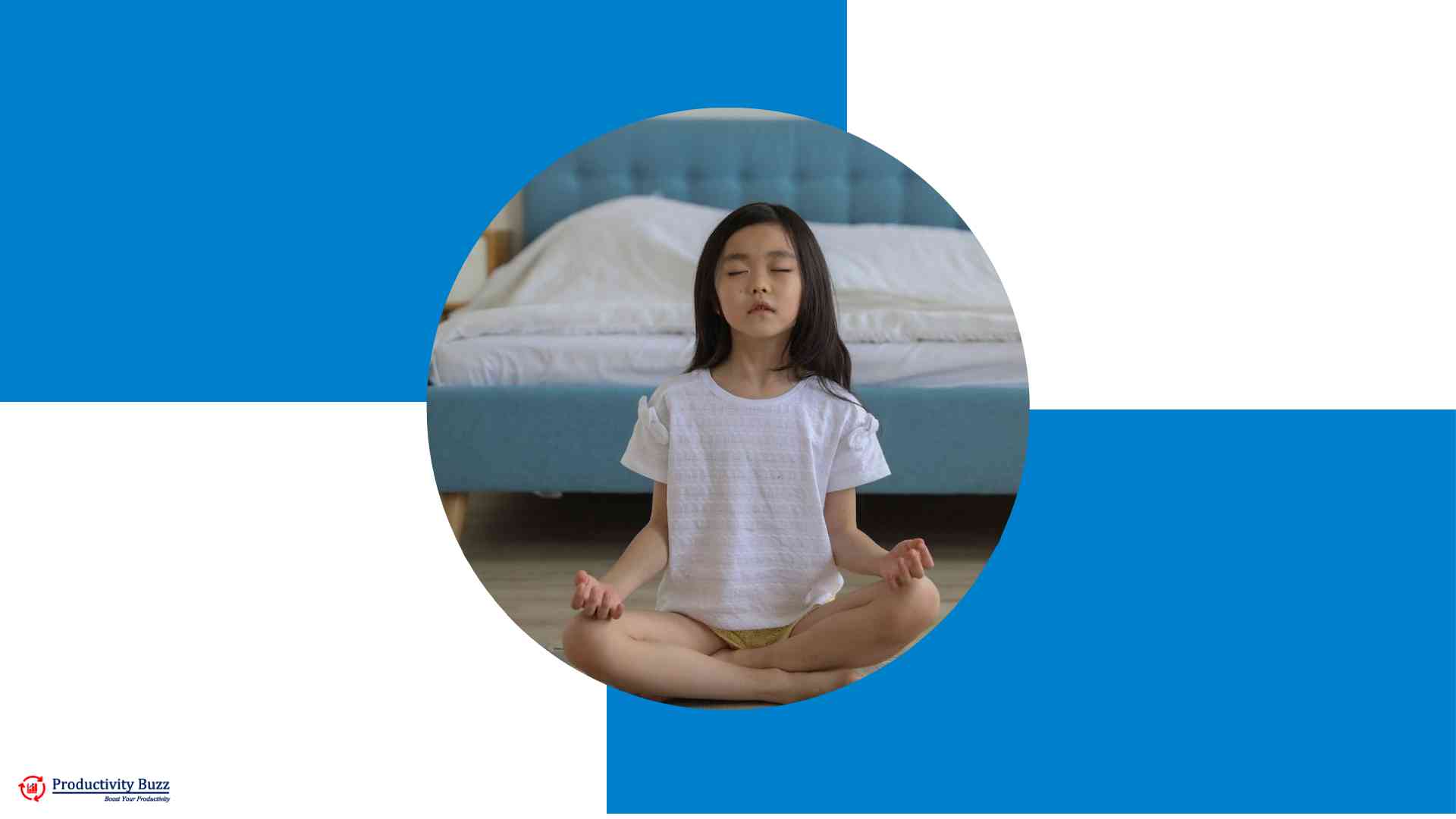
Have you noticed how busy life can be? Kids, just like adults, feel the pressure of daily routines, school activities, and social interactions. Understanding how to manage feelings, focus better, and reduce stress is vital for children. This is where mindfulness comes in, and it’s becoming a popular tool for helping kids learn how to navigate their thoughts and emotions.
Mindfulness means paying attention to the present moment without judgment. Teaching kids mindfulness can lead to several cognitive benefits that can shape their everyday experiences positively. Let’s explore these benefits and see how mindfulness can impact a child’s life in many incredible ways.
Cognitive Benefits of Mindfulness for Kids
When children practice mindfulness, they can gain various cognitive skills. Here are some key benefits:
- Improved Focus: Mindfulness exercises help children concentrate better on tasks. This is especially useful in school where attention is essential for learning.
- Enhanced Memory: Mindfulness can improve recall by strengthening the brain’s ability to retain information, making learning more effective.
- Better Emotional Regulation: Kids learn to identify and manage their feelings, which can lead to fewer outbursts and better relationships with peers and teachers.
- Increased Creativity: Mindfulness encourages open-mindedness, allowing children to think outside the box and solve problems more creatively.
- Stress Reduction: Mindful practices help decrease anxiety and stress, leading to improved mental health and overall well-being.
How Does Mindfulness Work?
To understand the cognitive benefits of mindfulness, it helps to know how it affects the brain. Studies show that mindfulness can change the structure of the brain. Regular practice can increase the size of certain areas critical for learning and emotional control. Here’s how it works:
- Attention Control: Mindfulness exercises train kids to focus their attention and ignore distractions. This skill is beneficial in both academic and personal life.
- Body Awareness: Mindfulness techniques often involve paying attention to one’s breath or physical sensations. Kids become more in tune with their bodies, which helps in stress recognition and management.
- Memory Skills: Mindfulness can improve working memory, allowing children to hold and manipulate information more efficiently. This is crucial for problem-solving and multitasking.
Getting Started with Mindfulness
Integrating mindfulness into a child’s life doesn’t require complex procedures. Here are some simple mindfulness practices you can encourage:
- Breathing Exercises: Teach kids to take deep breaths in and out, focusing on the rhythm of their breath for a few minutes.
- Mindful Eating: Encourage children to eat snacks slowly, noticing the taste and texture of each bite.
- Nature Walks: Take walks where the child can focus on the sights, sounds, and smells in nature, helping them become more aware of their surroundings.
- Guided Meditation: Use apps or videos designed for kids to guide them through short mindfulness meditation sessions.
Mindfulness Activities for Kids
Here are some fun activities that can help foster mindfulness in children:
| Activity | Description |
|---|---|
| Mindful Coloring | Using coloring books to express creativity while focusing on the colors and patterns. |
| Yoga | Simple yoga poses that help with body awareness and relaxation. |
| Jounaling | Encouraging kids to write down their thoughts and feelings to process their experiences. |
| Gratitude Practice | Helping children identify things they are thankful for each day can shift focus to positive aspects of life. |
Teaching mindfulness to kids can yield significant cognitive benefits. As children practice focusing their minds and emotions, they not only learn better but also understand themselves and their feelings more deeply. In a world full of distractions, mindfulness equips them with essential tools for a better future.
Practical Techniques for Teaching Mindfulness to Children
Teaching mindfulness to children can greatly enhance their ability to focus, reduce stress, and improve emotional regulation. However, it can be challenging for both educators and parents to find engaged and effective ways to introduce these concepts. Here are some practical techniques to teach mindfulness to kids.
1. Breathing Exercises
Simple breathing techniques can encourage children to reconnect with their bodies and calms their minds. Try the following:
- Bubble Breathing: Encourage children to imagine they are blowing bubbles. Take a deep breath in and exhale slowly, pretending to blow the biggest bubble possible.
- Counted Breathing: Have kids count to four as they inhale, hold their breath for four, then exhale for four. This rhythmic pattern helps them focus on their breath.
2. Sensory Awareness Activities
Engaging a child’s senses can help them become more aware of their surroundings and how they feel. Here are a few activities:
- Sensory Walk: Take a walk outdoors and encourage children to notice different aspects of nature. Focus on what they see, hear, smell, and feel.
- Texture Exploration: Have children touch various materials (like cotton, sandpaper, and smooth stones) and describe how each feels. This activity fosters mindfulness through tactile experiences.
3. Mindful Listening
Mindful listening encourages children to focus on sounds around them. Try these steps:
- Find a quiet space and ask the children to close their eyes.
- Set a timer for one minute, asking them to listen carefully to the sounds they hear.
- After the timer, encourage them to share what they heard and how it made them feel.
4. Guided Imagery
Using guided imagery can transport children to a calm and peaceful place in their imagination. Consider these points:
- Take a few minutes at the end of the day to guide them through visualizing a tranquil beach or forest.
- Encourage them to visualize details like the sound of the waves or the smell of a fresh pine tree.
5. Mindfulness Games
Games can make mindfulness practice fun and engaging. Consider using these options:
- Mindful Movement: Similar to yoga, have children move their bodies slowly while paying attention to how it feels. This could include stretching or simple dance movements.
- Freeze Game: Play music and have the children dance. When the music stops, they must freeze and become aware of their body and surroundings.
6. Journaling
Encouraging kids to write down their thoughts and feelings helps them become more aware of their emotions. You can guide them with these tips:
- Introduce simple prompts, such as “What made me happy today?” or “What was challenging?”
- Encourage them to express their feelings through drawings if they’re not yet comfortable writing.
7. Storytime with a Mindfulness Twist
Storytelling can also play a crucial role. Choose books that encourage mindfulness or incorporate discussions after reading. Ask questions like:
- How did the character feel at that moment?
- What would you have done in that situation?
| Technique | Focus Area | Age Group |
|---|---|---|
| Breathing Exercises | Calmness & Focus | All Ages |
| Sensory Awareness | Engagement of Senses | 3-12 years |
| Mindful Listening | Attention & Awareness | 5-12 years |
| Guided Imagery | Visualization | 4-12 years |
| Mindfulness Games | Fun & Movement | 6-12 years |
| Journaling | Reflection & Emotion | 7-12 years |
| Storytime | Connection & Discussion | 3-12 years |
By incorporating these techniques into daily routines, you can help children harness the power of mindfulness. Not only will this support their development, but it will also encourage a greater sense of peace and concentration as they navigate their youthful experiences.
How Mindfulness Can Enhance Emotional Regulation in Kids
Emotional regulation can be challenging for kids. However, mindfulness practices are becoming popular tools for helping children manage their emotions more effectively. By focusing on the present moment, kids can learn to recognize and handle their feelings in a healthier way. This article explores how mindfulness can enhance emotional regulation in kids and the key ways it impacts their emotional well-being.
Understanding Mindfulness
Mindfulness is the practice of observing thoughts, feelings, and physical sensations without judgment. It encourages children to pay attention to the current moment. This focus can help kids step back from strong emotions, making it easier for them to respond rather than react.
Benefits of Mindfulness in Emotional Regulation
- Increased Awareness: Kids learn to notice their feelings as they arise. This awareness is the first step in managing emotions effectively.
- Improved Focus: Mindfulness activities can help enhance attention span, which reduces feelings of frustration and anxiety.
- Reduced Impulsivity: By practicing mindfulness, children can learn to pause and think before responding to emotional triggers, fostering a sense of control.
- Enhanced Resilience: Kids become better equipped to handle stress and setbacks, leading to healthier coping strategies.
Mindfulness Strategies for Kids
Mindfulness into daily routines can be fun and engaging. Here are a few strategies you can use:
- Mindful Breathing: Teach kids to take deep breaths when they feel overwhelmed. Counting breaths can help ground them in the present moment.
- Body Scan: Have children lie down and focus on different parts of their bodies, helping them become aware of physical sensations and tension.
- Gratitude Journaling: Encourage kids to write down things they are thankful for, promoting a positive outlook on their emotional experiences.
Real-Life Applications
Understanding how mindfulness translates in real-life situations can be beneficial. Here are some examples:
| Scenario | How Mindfulness Helps |
|---|---|
| A child gets angry during a game. | Practicing mindful breathing helps the child calm down and think about how to respond instead of reacting. |
| A kid feels anxious about a school presentation. | Using visualization techniques can help the child feel more at ease and focused before they speak. |
| Frustration during homework tasks. | Taking breaks for a few minutes of mindful movement or stretching can relieve tension and refresh focus. |
Implementing Mindfulness in Daily Life
Mindfulness doesn’t have to be complex. Simple actions can make a significant difference. Here are some straightforward ways to implement mindfulness in your child’s daily life:
- Set aside time each day for mindfulness activities.
- Use apps or online videos designed for kids to guide them through mindfulness practices.
- Encourage regular discussions about feelings to normalize emotional expression.
Encouraging a Mindful Atmosphere
Creating a mindful environment at home can support emotional regulation for children. Families can practice together and model mindfulness behaviors. When children see their parents or guardians engaging in calm mindfulness activities—like reading or meditating—they are more likely to adopt these behaviors themselves.
Embracing mindfulness can significantly enhance emotional regulation in kids. As children learn to recognize and manage their feelings, they build resilience and gain valuable coping skills. By integrating mindfulness into their daily routines, parents can create an uplifting environment that fosters emotional well-being.
The Role of Mindfulness in Reducing Anxiety and Stress in Children
Understanding how mindfulness can impact children’s mental health is essential, especially as they navigate a world filled with expectations and challenges. Mindfulness is the practice of being present and fully engaged with the moment, and it plays a crucial role in reducing anxiety and stress in children. When kids learn to manage their thoughts and feelings, they can approach life more calmly and with more focus.
One of the key benefits of mindfulness is its ability to decrease anxiety levels. For many children, anxiety can manifest as worrying about school, friends, or performance. When a child practices mindfulness, they cultivate a greater awareness of their thoughts. This awareness allows them to recognize anxious patterns before they escalate. Over time, mindfulness helps children develop tools to cope with those feelings.
Stress can also significantly affect a child’s well-being. Some common sources of stress in children include:
- Academic pressure
- Social interactions
- Family dynamics
- Extracurricular activities
Mindfulness offers techniques that can help children manage these stressful situations. By focusing on their breath or practicing grounding exercises, children can learn to step back from overwhelming feelings. Exercises such as deep breathing allow them to tap into their calm and reset their emotional state.
Teaching mindfulness to children doesn’t have to be complicated or time-consuming. Simple exercises can easily be incorporated into daily routines. Here are a few practices that can be done at home or in school:
- Mindful Breathing: Encourage the child to sit comfortably, close their eyes, and focus on their breath. Counting each inhale and exhale can help maintain focus.
- Body Scan: Guide the child through a body scan, from head to toe. This helps them recognize where they hold tension and promotes relaxation.
- Nature Walks: Going for a walk outdoors allows kids to connect with nature while being present in the moment. Encourage them to notice sounds, smells, and sights around them.
- Gratitude Journals: Writing down things they are thankful for promotes positive thinking and wards off anxiety.
Research supports the idea that mindfulness can lead to cognitive benefits, too. Studies have shown that mindfulness practices can improve focus and attention spans in children. As they become less distracted by anxious thoughts, they can concentrate better in school and on tasks. This cognitive improvement not only enhances their learning experiences but also boosts their self-esteem and confidence. When children perform better academically, they naturally feel more at ease.
Moreover, engaging in mindfulness fosters emotional resilience. Children who practice mindfulness tend to develop a better understanding of their emotions. They learn how to identify feelings, leading to improved emotional regulation. This means when they encounter stress, they are less likely to react impulsively and instead can take a moment to respond thoughtfully.
Mindfulness can also enhance social skills among children. By learning to be present, they become better listeners and more empathetic towards others. When kids can focus on their peers during interactions, they can form deeper connections, which further reduces feelings of loneliness or isolation.
For parents and educators keen on integrating mindfulness into children’s lives, regular practice is key. It’s essential to create an environment where mindfulness becomes a normal part of the daily routine. Consider the following strategies:
- Set aside time for mindfulness activities.
- Model mindfulness yourself—children learn by observing.
- Incorporate mindfulness plays and games to keep it fun.
With ongoing practice, mindfulness can become a valuable tool for managing anxiety and stress in children. The cognitive, emotional, and social benefits are profound, setting children up for better mental health and overall well-being as they grow. By fostering a culture of mindfulness, we empower children to navigate life’s ups and downs with confidence and grace.
Creative Activities to Encourage Mindful Practices in Daily Life
In today’s fast-paced world, teaching kids to practice mindfulness can have a profound impact on their emotional well-being and cognitive development. Engaging in activities that encourage mindfulness not only promotes relaxation but also enhances focus, emotional regulation, and overall happiness. Here’s a collection of creative activities that can seamlessly integrate mindfulness into your child’s daily life.
One exciting way to encourage mindfulness is through art. Encourage your child to create art using different materials such as paint, clay, or even natural objects like leaves and stones. While they create, invite them to focus on the colors, textures, and shapes. This not only allows for self-expression but also helps them to be present at the moment, fostering a meditative state.
Mindful coloring is another excellent activity for kids. Provide them with intricate coloring books or print designs online. As they focus on filling in the lines, remind them to pay attention to their breathing and the sensation of the colors as they apply them. This activity can be both calming and centering.
Nature walks into your routine can enrich a child’s mindfulness experience. Take walks in nearby parks or gardens and encourage your child to look closely at their surroundings. Ask them to notice the sounds of birds, the rustling of leaves, or the feeling of the grass beneath their feet. Discussing what they see helps to sharpen observational skills while promoting a connection to nature.
Here are some additional creative activities to encourage mindfulness:
- Mindfulness Jar: Fill a clear jar with water, glitter, and a bit of glue. When shaken, the glitter swirls around, representing thoughts. Encourage your child to watch the glitter settle as a way to practice calming their mind.
- Breathing Buddy: Use a stuffed animal or pillow as a “breathing buddy.” Have your child lay down with it on their stomach. As they breathe in and out, the buddy rises and falls, teaching them to match their breath with its movement.
- Gratitude Rock: Find a smooth rock that your child can decorate. Each day, encourage them to hold the rock and reflect on things they are thankful for, promoting a positive mindset.
Practicing mindful movement can also be very beneficial. Activities like yoga or tai chi not only engage physical movement but also emphasize the connection between body and mind. Easy poses tailored for children can help them develop strength and flexibility while focusing on their breath.
Developing a gratitude journal is another meaningful way to combine mental wellness with creativity. Encourage your child to write or draw their thoughts each day. It can include simple things such as “I loved the sunshine today” or “My friend shared their snack with me.” This cultivates a habit of recognizing the positives in everyday life.
In addition, breathing exercises can be both fun and educational. Teach your child to take deep breaths together. Have them count to four as they inhale, hold for four, and exhale on a count of four. You can transform this into a game by using different fun names for the breaths, like “dragon breaths” where they roar gently while exhaling, reinforcing relaxation and focus.
Mindful cooking can also be an interesting activity to enhance presence. Involve your child in preparing meals, encouraging them to focus on the colors, smells, and textures of the ingredients. It’s a wonderful opportunity not only to bond but also to promote healthy eating habits.
Creating a “calm corner” in your home can serve as a special place for your child to unwind. Fill it with soft pillows, calming lights, and mindfulness books or tools. Whenever they feel overwhelmed, they can go to this space and engage in calming activities or simply sit in silence.
By integrating these fun and creative activities into daily routines, you can foster mindfulness in your child’s life. Each of these practices encourages them to slow down, appreciate the present moment, and develop skills that will serve them for a lifetime. Mindfulness is a gift that can lead to greater focus, emotional resilience, and, ultimately, happier, healthier kids.
Conclusion
Embracing mindfulness in children opens up a world of cognitive benefits, allowing young minds to flourish. Understanding the science behind mindfulness equips parents and educators with powerful tools. It is not just about teaching children to be still; it’s about helping them build focus, improve memory, and enhance their overall cognitive abilities.
Practical techniques for teaching mindfulness can easily be incorporated into daily routines. Simple breathing exercises, guided imagery, and age-appropriate meditation can transform chaos into calmness. Such practices bolster emotional regulation, empowering kids to handle their feelings more effectively. By learning to pause and reflect, children can become resilient in the face of life’s stresses.
The connection between mindfulness and reduced anxiety is particularly crucial in today’s fast-paced world. When children practice mindfulness, they develop skills to manage stress, reducing feelings of overwhelm and promoting a sense of well-being.
Additionally, integrating creative activities, like mindful art or nature walks, not only makes the practice enjoyable but also reinforces the importance of being present. These activities create opportunities for reflection and deeper connections with their surroundings, strengthening their ability to focus on the moment.
Fostering mindfulness in children is a gift that yields profound and lasting benefits. It nurtures their cognitive growth, improves emotional balance, and cultivates resilience. As you take steps to introduce mindfulness into their lives, you’re not just teaching them to be mindful; you’re preparing them to navigate life’s challenges with grace and confidence. Together, let’s make mindfulness an integral part of childhood development, enriching their experiences and laying the groundwork for healthier futures.
